Plumbing Emergencies You Should Never Ignore
Plumbing problems deserve urgent attention when they threaten safety, release water into the building or stop essential facilities working. The warning may be obvious, such as a burst connection, or subtle, such as a spreading ceiling stain. Waiting for a more dramatic symptom can allow the damage to develop out of sight.
For homes in Exeter, the right response depends on the danger involved. Some situations need an emergency plumber, others need a drainage specialist, registered electrician or emergency service. This article focuses on warning signs that should change your next step, rather than treating every noisy fitting or slow drain as an identical emergency.
A wet patch that is growing rather than drying
A new stain can be easy to dismiss if no pipe is visible. Watch for evidence that it is active: an expanding edge, fresh droplets, soft surfaces or moisture that returns after being wiped away. An old mark and a continuing escape need different assessments.
The position of the stain does not reliably identify the source. Water may travel along a pipe, through a floor void or across a ceiling before appearing. Tell the professional which surfaces have changed and when, without opening them yourself.
Prompt assessment is particularly important when the wet area is near electrical equipment or cannot be safely inspected. A small visible patch can be the outlet for a larger hidden problem. Its urgency comes from continuing moisture and location, not simply its dimensions.
Water emerging through lights or electrical fittings
Water at a light fitting, socket or appliance should not be treated as a routine cleanup task. Keep the area clear and avoid operating or handling affected equipment. The plumbing source and electrical consequences need separate consideration.
Do not remove a light cover to drain it, unplug wet appliances or assume that equipment is harmless because it has stopped functioning. Explain the electrical exposure when requesting assistance so an appropriate specialist can assess what is required.
Electrical Safety First's water-damage advice stresses assessment of affected electrical installations before reuse. If there is a fire, serious injury or immediate danger to life, use 999 rather than waiting for a repair contractor. Safety decisions come before protecting decoration.
A ceiling that bulges, sags or sheds material
A ceiling that changes shape while wet is a warning to keep away from the space beneath it. Water may be collecting above the surface, and the visible condition cannot establish how sound the material remains.
Avoid poking a hole, pressing the bulge or standing below it to collect a better photograph. Those actions can expose you to falling material and suddenly released water. Let the attending professional know the affected room and what is directly above it.
The eventual response may involve both plumbing isolation and building repairs. Stopping a leak does not automatically restore a water-damaged ceiling. Ask who should assess the remaining condition before the room is used normally again, especially if light fittings or other services are involved.
A burst connection that cannot be controlled
A failed supply connection can release water continuously until the relevant source is isolated. The urgency is greater when you cannot reach the shut-off, the valve will not move or the water is spreading through multiple rooms.
If you already know how to close a safely accessible internal stop tap, that may reduce the escape. South West Water's stop-tap information describes clockwise closure. Do not force damaged controls or enter standing water to reach them.
After isolation, explain whether the flow stopped. Stored water and different circuits can complicate the picture, so a continuing drip does not by itself prove that the stop tap failed. A professional needs the result of your observation, not an attempted dismantling.
Wastewater backing up through several fixtures
A blockage affecting one fitting is not the same as wastewater appearing in several places. A toilet that overflows when another fixture is used, or wastewater rising through a shower, can indicate a broader drainage problem.
Stop using affected fixtures and prevent others from doing so. Repeated flushing and extra water may increase the spill. Keep people and animals away from wastewater and do not mix chemical drain products. If anything has already been added, tell the contractor what it was.
Describe the pattern of the backup, including whether upstairs and downstairs fixtures are affected. This helps the business decide which service to arrange. The precise cause, access requirements and responsibility should be established through assessment rather than assumed from a single symptom.
The only toilet becoming unusable
Loss of the household's sole usable toilet can justify urgent assistance even when there is no major flood. Explain that it is the only facility, rather than reporting simply that one toilet is blocked. The consequences matter to the decision.
A home with another working toilet may be able to avoid using the failed one while a repair is booked. That option disappears if the remaining facility is inaccessible to someone who needs it. Tell the business about relevant practical needs without sharing unnecessary medical detail.
Do not keep using a leaking or unstable toilet because the inconvenience of stopping feels worse. Ask for advice on whether it can remain safely isolated, what attendance is available and what temporary arrangements are realistic for the household.
A sudden leak around an appliance
Water appearing from behind a dishwasher or washing machine can spread beneath cabinets and flooring before its source is obvious. The fault may involve a hose, connection, appliance component or adjacent plumbing.
Avoid pulling heavy equipment forward while it is wet or still connected. Stop using the machine and seek appropriate advice. Tell the professional whether the leak happens only during operation, during filling or even while the appliance is idle.
The same caution applies when a replacement appliance has recently been installed. A new installation is not proof that its connections are sound. An assessment can identify whether the repair belongs with a plumber, appliance technician or another installer, rather than assuming a visible puddle identifies the responsible component.
Thawing weather after a suspected frozen pipe
Freezing conditions can stress vulnerable pipework, while an escape may only become apparent later. An apparently restored supply after cold weather does not necessarily mean every section is intact.
WaterSafe explains how ice can stress pipes and joints in its frozen-pipe guidance. If you observe a fresh leak during a thaw, report the timing and any exposed or unheated area associated with it.
Do not use a naked flame or attempt to bend damaged pipework back into shape. Where an active escape cannot be controlled safely, request urgent assistance. Once the immediate problem has been assessed, discuss suitable insulation and access arrangements to reduce the same vulnerability during later cold spells.
Heating equipment with unexplained water escape
A radiator valve or other heating connection may leak slowly, but a growing wet area or repeated system problem deserves investigation. Persistent pressure changes are information to share with an engineer, not an instruction to keep topping up indefinitely.
Avoid opening appliance covers or making adjustments you do not understand. Describe the equipment, displayed messages and whether the leak continues when heating is off. Ask the business which qualifications and specialist services are required for that equipment.
If the problem includes a gas smell or concern about carbon monoxide, stop treating it as a standard water leak. The correct emergency route takes priority over arranging an ordinary heating repair. Appliance competence must be confirmed rather than assumed because someone offers plumbing services.
Gas and carbon monoxide require immediate specialist action
The National Gas Emergency Service is reached on 0800 111 999 for suspected gas or carbon-monoxide emergencies. Use a safe location to make the call and follow the operator's directions. National Gas publishes the number and instructions on its emergency page.
Do not operate electrical switches in a place where gas is suspected. If someone is seriously unwell or there is immediate danger, call 999 as appropriate. Waiting for a familiar tradesperson is not the correct first step.
Later repair work may involve a suitably registered engineer, but emergency attendance to make safe and the subsequent appliance repair are different functions. Keep that distinction clear when speaking to contractors so the required response is not delayed.
What the latest damage figures do and do not tell you
The ABI's February 2026 release reported £758 million in weather-related claims for damage to homes and possessions during 2025. Its definition includes burst or frozen pipes, escape of water, storms and flooding, so the total must not be described as plumbing claims alone. Read the original claims data.
These figures provide context for the scale of property damage, not a threshold for calling a plumber. Your response should reflect the conditions in front of you, even if the fault seems inexpensive to repair.
A failed part may be small while the consequences affect multiple trades. Water can require investigation, drying and restoration after the plumbing has been fixed. Keeping those stages separate helps you understand why stopping the visible leak is only the first part of recovery.
Act on changing symptoms, not yesterday's reassurance
A fault that was contained earlier can become urgent. New moisture near electrical equipment, a larger wet area, a second blocked fixture or loss of the remaining toilet changes the situation. Update the person arranging the visit rather than relying on the original description.
Keep a short timeline of what happened and what was safely isolated. This helps the professional compare conditions without needing you to reproduce the fault. Do not reactivate a damaged fixture just to demonstrate the problem on arrival.
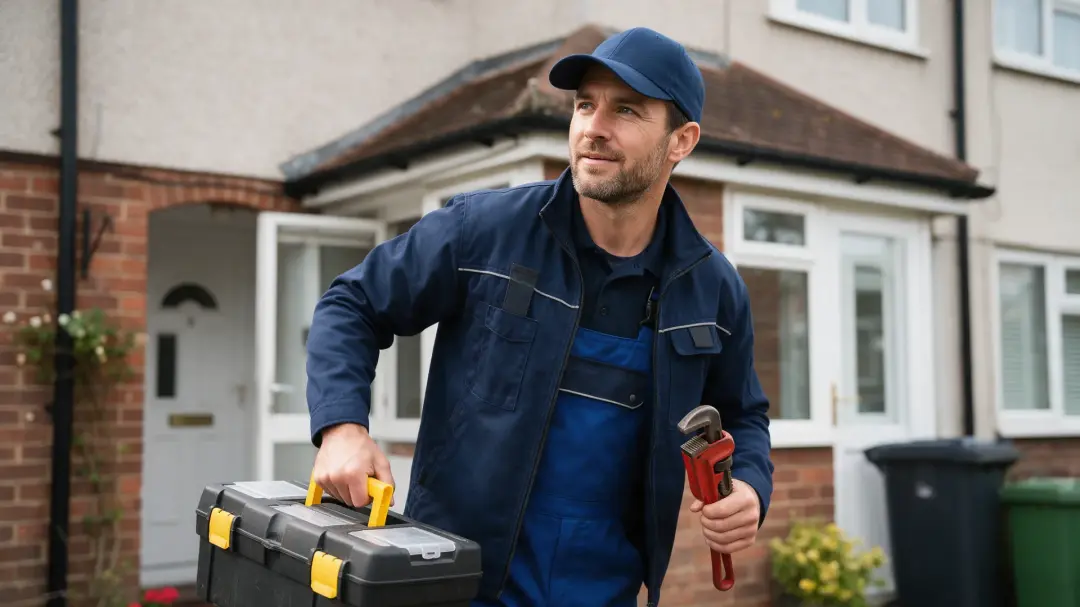
For Exeter households, Exeter Plumbing Services can discuss urgent plumbing enquiries and the practical next step. Explain the warning sign first, then ask about scope, attendance and any separate specialist required. Clear communication helps the right problem receive the right response.
Summary: recognise the warning that changes the response
Growing wet patches, unstable ceilings, electrical exposure, uncontrolled escapes and wastewater backups should not be brushed aside. A loss of essential facilities can also warrant urgent help. Judge the consequence, safe controllability and change in symptoms rather than waiting for a dramatic flood.
Speak to Exeter Plumbing Services about urgent household plumbing in Exeter and describe what you have observed. Where gas, electrical danger or an immediate threat to life is involved, use the appropriate emergency route first. The next step should make the situation safer, not add another risk.