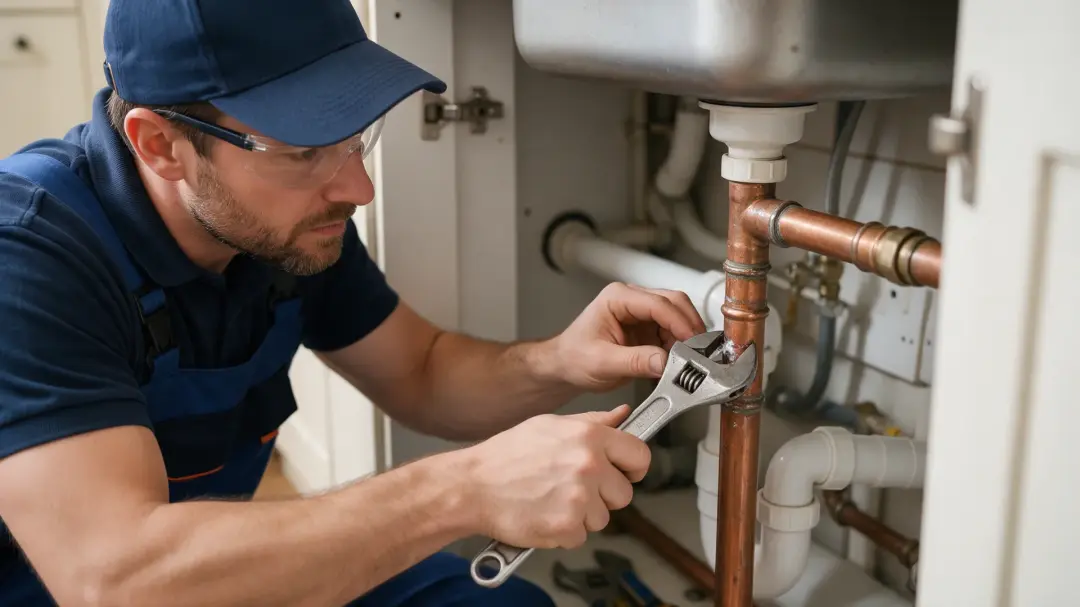
Common Causes of Plumbing Leaks
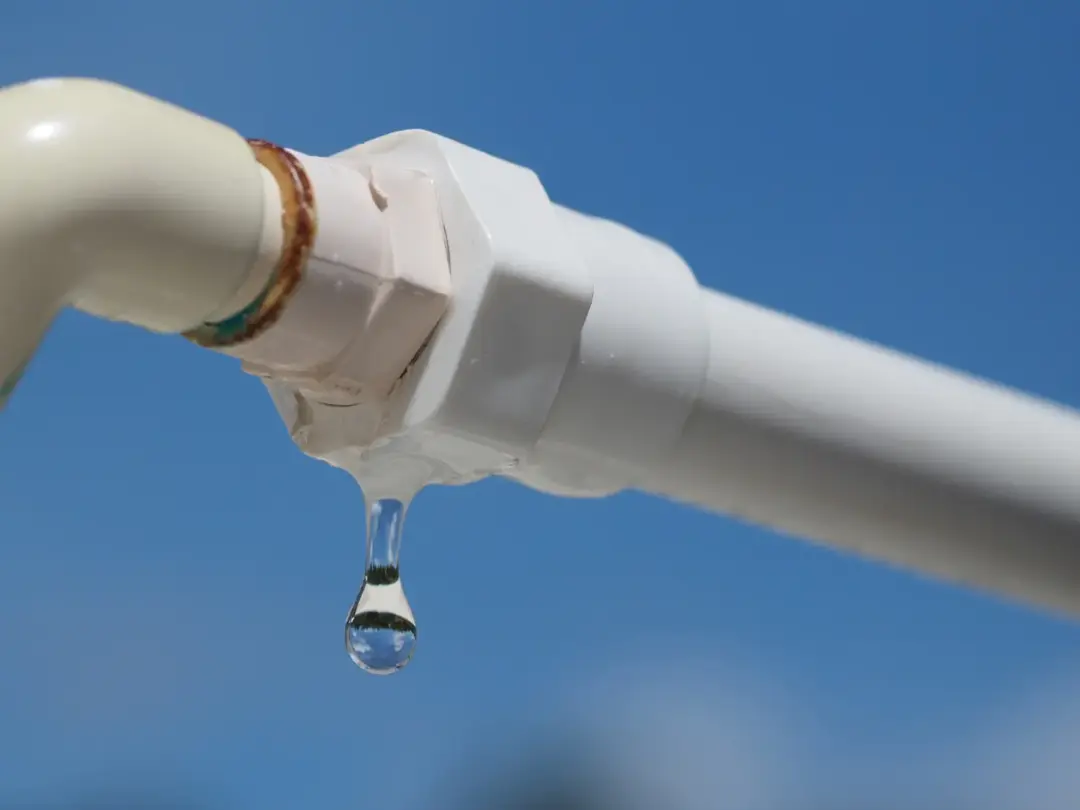
A plumbing leak is a symptom, not a complete diagnosis. The same wet cupboard can result from a loose waste connection, a worn valve or an appliance hose, and each needs a different repair. Understanding the likely causes helps you describe the problem clearly and avoid spending money on the wrong solution.
Domestic plumbing also contains several separate systems. Incoming water pipes operate differently from sink wastes, shower seals and heating circuits. A leak that appears only while washing up is therefore a different investigation from moisture that develops overnight. This article explores the common mechanisms behind leaks, the circumstances that make them more likely and the questions to ask before agreeing a repair.
Age and deterioration can weaken materials
Plumbing components spend years handling changes in temperature, pressure and movement. Washers, seals and flexible connections can deteriorate, while metal parts may corrode under particular conditions. Age increases the reason to inspect a component, but does not automatically mean every pipe in an older property needs replacement.
A fitting's condition matters more than its appearance alone. Surface staining might be historical, whereas fresh moisture around the same joint indicates an active problem. Let the plumber distinguish cosmetic marks from defects that affect the component's ability to contain water.
When one part fails, ask whether nearby components show similar wear. Replacing the immediate fault may be sufficient, but a broader inspection can be sensible where several fittings share the same age and installation conditions. The decision should be based on evidence rather than a blanket recommendation to renew everything.
Joints can lose their seal
Connections allow plumbing systems to change direction and connect with fixtures. Those joints depend on the correct components, preparation and assembly. A poorly made connection may leak immediately, or remain apparently sound until movement and repeated use reveal the weakness.
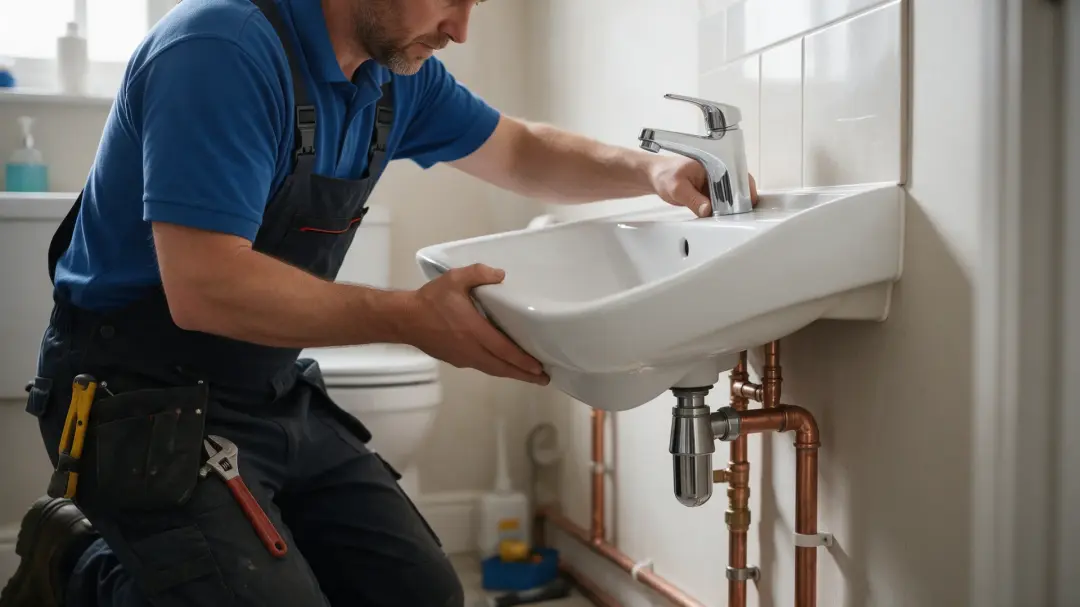
It is tempting to tighten a wet joint as hard as possible. That can damage a seal, distort a component or make a future repair more difficult. Different fittings have different requirements, so the right response is to identify the fitting and the fault before applying force.
Note whether a leak developed shortly after work elsewhere. A new tap, moved basin or appliance replacement can disturb an existing connection. This does not prove poor workmanship, but it gives the plumber a useful starting point and helps establish whether the new installation needs a controlled check.
Tap and valve components wear out
A dripping tap commonly points towards an internal sealing problem, although the correct replacement depends on the design. Some taps use cartridges, others use different mechanisms, and visually similar fittings may need incompatible parts. Ordering by appearance alone can delay the repair.
Water around the base of a tap is a separate symptom from water dripping through its spout. A wet base may involve a seal, connection or water entering from normal use. Explain where the moisture begins and whether it appears while the tap is running, after it closes or continuously.
Isolation valves can also become stiff or develop leaks around their operating parts. Avoid forcing a valve that resists movement. If a valve no longer isolates properly, tell the plumber before the visit so that the repair can account for how the relevant supply will be controlled.
Toilet mechanisms can fail quietly
Inside a cistern, components control both filling and flushing. A fault may allow water to enter the bowl repeatedly without producing a puddle. In other cases, moisture can develop around the supply connection, cistern joint or toilet outlet, creating a different repair requirement.
Watch for a toilet that refills long after use or a persistent movement of water in the pan. A floor-level leak that appears only during flushing needs separate attention. Describe these differences rather than simply reporting that the toilet leaks.
Do not assume a new cistern mechanism will solve every toilet problem. An unstable pan, damaged connector or installation issue may need a different approach. A plumber can inspect the fixture and identify whether the fault lies within the cistern, at a connection or elsewhere in the surrounding pipework.
Appliance hoses and connections are vulnerable points
Washing machines and dishwashers combine water supply connections with waste arrangements. A leak can occur during filling, draining or while the appliance is idle. Knowing when it happens can help separate a hose fault from a waste problem or an issue inside the appliance.
Hoses can be strained when a machine is pushed back into a tight space. A connection may also be disturbed during cleaning, replacement or flooring work. Leave enough appropriate clearance and follow the manufacturer's installation requirements rather than relying on the appliance to hold a hose in position.
If water appears behind a machine, stop using it and arrange an assessment. Heavy appliances can be difficult to move safely, and pulling one forward can worsen a stretched connection. The appropriate repair may involve a plumber, an appliance engineer or both, depending on where the fault originates.
Waste pipes leak under different conditions
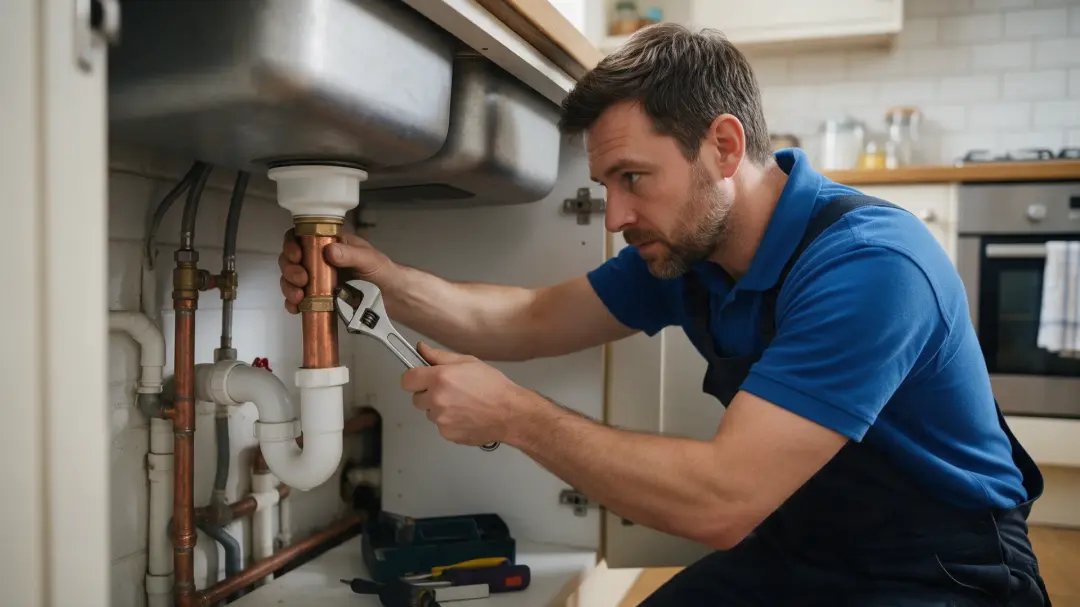
Waste plumbing carries water away from sinks, baths and showers. Unlike an incoming supply pipe, it may remain dry until a fixture is used. A cupboard that becomes wet while a basin drains can therefore indicate a problem that would not appear during an overnight supply check.
Traps and waste connections can leak because of damaged seals, poor alignment or disturbance. A slow drain can also complicate the picture by allowing water to back up into an already weak connection. Clearing a blockage and repairing a leaking joint are related but separate tasks.
Avoid repeatedly filling the fixture to reproduce a known leak. Tell the plumber how much normal use triggers it and where moisture first appears. That information supports controlled testing without unnecessarily soaking the cupboard, floor or room below.
Shower and bath seals can let water escape
Water escaping from a bath or shower is not always a broken pipe. Gaps around an enclosure, failed sealing or movement at the bath edge can allow normal bathing water to reach areas that should remain dry. The symptom may appear only when water reaches a particular corner.
Tiles, grout, sealant and the underlying waterproofing perform different functions. Adding a fresh bead over a wet or poorly prepared surface may disguise the problem without creating a durable repair. The investigation needs to consider the installation beneath the visible finish.
Describe where water is directed during use and whether the leak occurs when the bath is filled without anyone bathing. That distinction can help separate a supply or waste fault from water passing through the surrounding enclosure. Avoid assuming every stain below a shower has the same cause.
Pressure can expose a weakness
A pipe or fitting may remain dry under one set of conditions and leak when conditions change. Excessive or fluctuating pressure can contribute to trouble, but a pressure diagnosis should come from measurements and an assessment of the system. A forceful tap stream alone does not establish the cause.
If you notice a leak alongside banging pipes or sudden changes in flow, mention both symptoms. The plumber may consider the supply arrangement, valves and suitability of components. Installing a pressure-related device without understanding the existing system can create additional problems.
Heating-system pressure deserves a separate assessment. Repeatedly topping up a sealed system is not a complete solution to an unexplained loss. Record how often the pressure changes and whether visible water appears near radiators, valves or the boiler, then seek advice from someone qualified for the equipment involved.
Freezing can turn a minor weakness into a burst
Pipes in unheated spaces can be vulnerable during cold weather. Loft areas, garages and external runs deserve attention because household warmth may not reach them. A pipe that stops flowing during freezing conditions can later reveal damage when temperatures rise.
WaterSafe's winter guidance explains that freezing can damage pipes and recommends protecting vulnerable plumbing. Its advice also cautions against unsafe thawing methods. Preparation should focus on appropriate insulation and understanding the system, rather than applying flames or improvised heat. WaterSafe: protecting against frozen pipes.
If a thaw exposes escaping water, treat it as an active leak and arrange urgent help. Do not assume the visible split is the only affected point. Explain which areas froze and whether other fixtures stopped working so the plumber can assess the relevant pipe routes.
Movement can affect buried and concealed pipes
Pipes can experience stress where buildings, soil or surrounding materials move. Installation work, poorly supported pipework and accidental impact can also disturb a system. Buried supply pipes present an additional challenge because the fault may not be visible from inside the home.
Water UK reports that water-company leakage fell by 9% during 2020–2025, while describing ground movement, ageing and extreme weather among network leak causes. This is industry-wide information, not a measure of the likelihood that a household pipe will fail. Water UK: leakage.
At property level, unexplained meter movement, a persistently wet outdoor area or changes in supply can justify further investigation. The responsibility for repair depends on the pipe and supply arrangement. Confirm the boundaries with the water supplier rather than assuming every external leak belongs to the homeowner.
Repairs can fail when the diagnosis is incomplete
A patch that stops visible dripping may not address the underlying cause. A connection under strain, incompatible parts or an unresolved pressure problem can continue to trouble the system. Ask what caused the failure and whether the proposed repair removes that cause.
This does not mean every repair needs extensive replacement. Often a correctly identified component can be renewed with limited disruption. The important point is that the work should match the fault and be tested under the conditions that previously produced the leak.
Keep details of replaced parts, photographs and any advice given afterwards. If symptoms recur, that record helps distinguish a repeat failure from a different leak nearby. Report the return promptly rather than repeatedly applying temporary sealants that conceal the evidence.
Reduce risk through practical observation
Regular checks need not involve dismantling fixtures. Look inside accessible cupboards, notice whether toilets continue running and inspect appliance surroundings during ordinary cleaning. Address a recurring drip rather than waiting for it to become part of the background noise of the house.
After plumbing work, ask what checks were carried out and whether any follow-up is recommended. Learn where the relevant isolation valves are located and keep them accessible. During decorating or building work, make contractors aware of concealed pipe routes where those routes are known.
There is no inspection routine that guarantees a leak-free home. However, noticing changes early makes the repair conversation more useful and can limit the time water has to spread. Focus on observations you can make safely and leave unfamiliar components to a competent professional.
Summary: repair the cause, not just the wet patch
Common leaks arise from worn components, disturbed joints, appliance connections, waste fittings and problems around bathing areas. Pressure, freezing and movement can complicate the picture, but the timing and location of the symptoms usually provide a useful starting point.
If you need a plumbing leak investigated in Exeter, describe when it happens and what has changed recently. The service page below provides a route to discuss an assessment and the appropriate repair.