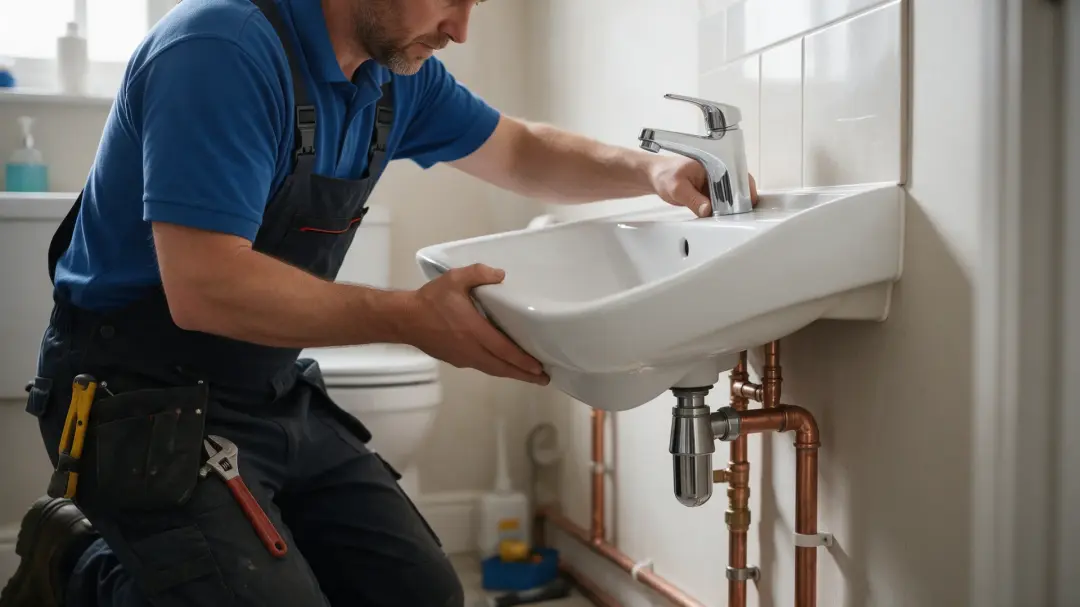

Can a Small Plumbing Leak Cause Major Damage?
Yes, a small plumbing leak can cause major damage, particularly when it continues unnoticed or reaches materials that absorb water. The size of the visible drip does not tell you how far moisture has travelled, how long it has been escaping or what lies beneath the surface. A slow leak into a tiled basin is very different from the same loss entering a timber floor.
That does not mean every dripping tap requires an emergency call-out. The useful distinction is between contained water waste and uncontrolled moisture entering the building. This article explains how modest leaks become expensive problems, what influences the outcome and how to respond proportionately before a minor repair turns into a larger restoration project.
Time changes the significance of a small leak
A brief spill that is cleaned up promptly has limited opportunity to spread. A continuing leak can add water repeatedly to the same place, preventing materials from drying between episodes. Even when each individual drop seems insignificant, the exposure can become substantial over days or weeks.
WaterSafe's August 2025 water-saving advice states that a single dripping tap can waste more than 5,500 litres annually. That figure concerns water waste, not a prediction of building damage. A tap dripping into a sound drain differs fundamentally from a concealed connection releasing water beneath flooring. WaterSafe: practical water-saving tips.
The practical lesson is to consider duration alongside location. Ask when the leak might have started, not simply when you discovered it. A stain that appeared today may represent water that has been moving through concealed materials for much longer.
The route of the water matters
Water rarely stays exactly where a pipe releases it. It can run along a surface, follow a service route or collect at a low point. That movement may bring it into contact with several materials before it produces an obvious mark.
A cupboard can look relatively dry while moisture escapes behind its base. Likewise, the first visible ceiling stain may appear some distance from the original fault. The apparent size of the mark therefore cannot reliably establish the full area affected.
Avoid treating a neat stain as a complete map of the problem. A plumber needs to identify and stop the source, while further assessment may be needed to establish where moisture has travelled. Those are connected tasks, but repairing the pipe does not automatically answer every question about the building.
Absorbent materials can hold moisture
Timber, plasterboard, insulation and some flooring products respond differently to water exposure. Certain materials may swell, soften or lose their finish, while others can retain moisture where it is difficult to inspect. The result depends on the product, the amount of water and how long the area remains wet.
A surface that feels dry can conceal moisture underneath. For example, the upper face of a floor may recover while an underlay or concealed layer remains damp. Replacing the decorative finish too early can trap the consequences of the leak behind new materials.
Do not assume that every wet component must be discarded, either. Appropriate assessment can distinguish what may be dried and retained from what needs replacement. The decision should account for condition and contamination rather than relying on a universal rule for all building materials.
Damage can extend beyond decoration
The most visible consequences are often peeling paint, stained ceilings and swollen skirting boards. These can make the problem look cosmetic. However, a leak that continues into concealed construction may require more extensive investigation than repainting the room.
Movement in flooring, a ceiling that begins to sag or a door that suddenly catches can justify further assessment. These symptoms have multiple possible causes, so a leak should not be blamed automatically. Equally, they should not be dismissed merely because the visible plumbing fault looks small.
Keep clear of an unstable ceiling or area that appears unsafe. Do not test its strength by pressing on it or make an opening yourself. Where there are concerns about the building's condition, arrange advice from an appropriate professional alongside the plumbing repair.
Moisture problems deserve a careful diagnosis
Damp and mould are broader housing issues with several possible causes. Plumbing leaks are one route for moisture to enter a home, but condensation, rain penetration and other building defects can produce similar symptoms. Identifying the cause is necessary before choosing a lasting remedy.
The English Housing Survey 2024–2025 report, published in July 2026, found that 31% of households reported condensation, damp or mould. This broad, self-reported measure does not show how many homes had plumbing leaks. It provides context for why moisture complaints need investigation rather than assumptions. English Housing Survey: perceptions and impacts of housing quality.
If a patch returns after cleaning or decoration, keep a record of the pattern and seek advice. Stopping a leak may address one moisture source without resolving ventilation or another defect. Where occupants have health concerns, they should seek appropriate healthcare advice as well as addressing the property condition.
A small amount of water can create an electrical hazard
The urgency of a leak can change immediately if water reaches a socket, light fitting, appliance or electrical equipment. In that situation, the concern is not simply the volume of water or the cost of decoration. Access and electrical safety become the priority.
Stay away from wet electrical fittings and do not operate switches while standing in water. Tell the attending professionals where the moisture is travelling. If electrical equipment has been affected, an appropriate electrician may need to assess it before normal use resumes.
A plumber stopping the leak does not certify that affected electrics are safe. Keep the distinction clear when arranging assistance. The plumbing repair controls the source, while electrical assessment addresses equipment and installation safety where water exposure has created a concern.
Contamination changes the response
Clean incoming water and wastewater should not be treated as equivalent. A leak from a waste connection, toilet outlet or backed-up drain may involve contamination, making ordinary wiping and household drying inadequate for some circumstances. Describe the source accurately when asking for help.
Keep children and pets away from affected areas and avoid unnecessary contact with wastewater. Do not continue using a fixture that is releasing waste into the home. The appropriate clean-up depends on the location, materials and extent of exposure.
A faint leak from a waste pipe can still deserve prompt attention because the problem involves more than water volume. The repair, cleaning and any replacement of contaminated materials may all need to be considered. Ask who will handle each part rather than assuming a plumbing visit includes full restoration.
Repair costs and restoration costs are different
A straightforward component replacement can be a relatively limited task, while accessing the pipe and restoring the surroundings may be more involved. Flooring, cabinetry and tiled surfaces can complicate access even when the damaged fitting itself is inexpensive.
Ask the plumber to explain the scope of the quoted work. Does it cover locating the fault, opening an access area and making the repair, or only a known component replacement? If drying, decorating or reinstatement will be arranged separately, include those items in your planning.
There is no reliable universal price for damage from a small leak. A useful estimate depends on the evidence, the construction and the work required. Be cautious about online figures that combine very different incidents into a single average without explaining what the cost includes.
Insurance needs to be checked against the policy
Insurance arrangements vary, so a plumbing leak does not automatically mean every associated expense is covered. The policy may distinguish sudden damage, tracing the source, repairing the defective part and gradual deterioration. Read the wording and speak to the insurer where a claim may be appropriate.
Photograph the damage safely and keep records of the discovery, actions taken and invoices. Ask the insurer what information it needs before unnecessary materials are removed. At the same time, an active leak should not be allowed to continue solely while paperwork is being gathered.
Avoid assuming that an internet article can determine a claim outcome. Explain the circumstances accurately and let the insurer assess the policy. For rented accommodation or leasehold property, additional arrangements may involve a landlord, managing agent or building policy.
Stopping the source is only the first stage
Once the leak is repaired, the area needs to be checked for continuing symptoms. A stain that remains visible does not necessarily mean the repair failed, but new wetness or a growing patch deserves attention. Ask what signs to monitor and when to report them.
Drying time varies with the materials, construction and amount of trapped moisture. A surface may recover sooner than the layers beneath it. Professional drying or moisture assessment may be appropriate where the area is extensive, concealed or difficult to ventilate.
Do not schedule final decoration purely because the pipe has been fixed. Agree how readiness for reinstatement will be judged. Waiting for a properly assessed condition can reduce the chance of fitting new flooring or painting over materials that still contain excess moisture.
Respond early without overreacting
If a minor leak is contained within a sound fixture and there is no immediate hazard, book a repair and monitor it while waiting. Explain whether it is continuous and whether an isolation valve can safely stop the affected supply. A contained problem still deserves attention because it wastes water and can worsen.
Arrange urgent assistance when moisture is spreading into the building, you cannot control the supply or essential facilities are affected. Escalate concerns about electrical exposure or unstable materials rather than treating them as ordinary drips. The consequences determine urgency more reliably than the leak's apparent size.
A useful report includes the location, when you first noticed it and how the area is changing. Clear information helps the plumber assess attendance and prepare for the visit. You do not need a technical diagnosis before making contact.
Prevent a repeat incident
After a repair, ask whether the failure was isolated or whether another condition contributed to it. A worn component may need only replacement, while strain on a connection or another system issue may require additional work. Understanding the cause makes prevention more practical.
Keep inspection points and isolation valves accessible. Check repaired areas during ordinary use and mention any returning symptoms promptly. Where a leak was concealed, retain photographs and access information so future work does not begin with the same uncertainty.
Routine observation is more useful than constant worry. Notice changes in cupboards, ceilings and household water use, then respond to repeated or unexplained signs. The aim is to shorten the time between a fault developing and an informed repair being arranged.
Summary: small leaks need a proportionate response
A small leak can cause major damage when it runs for long enough, enters absorbent materials or reaches vulnerable equipment. Its visible size is only one part of the assessment. The location, duration, contamination and ability to control it are just as important.
For leak repair advice in Exeter, use the service page below to explain the symptoms and arrange the next step. Addressing the source early gives you a better chance of keeping the work manageable.